June 2026
How to Care for Solid Wood and Linen Furniture — The Complete Maintenance Guide
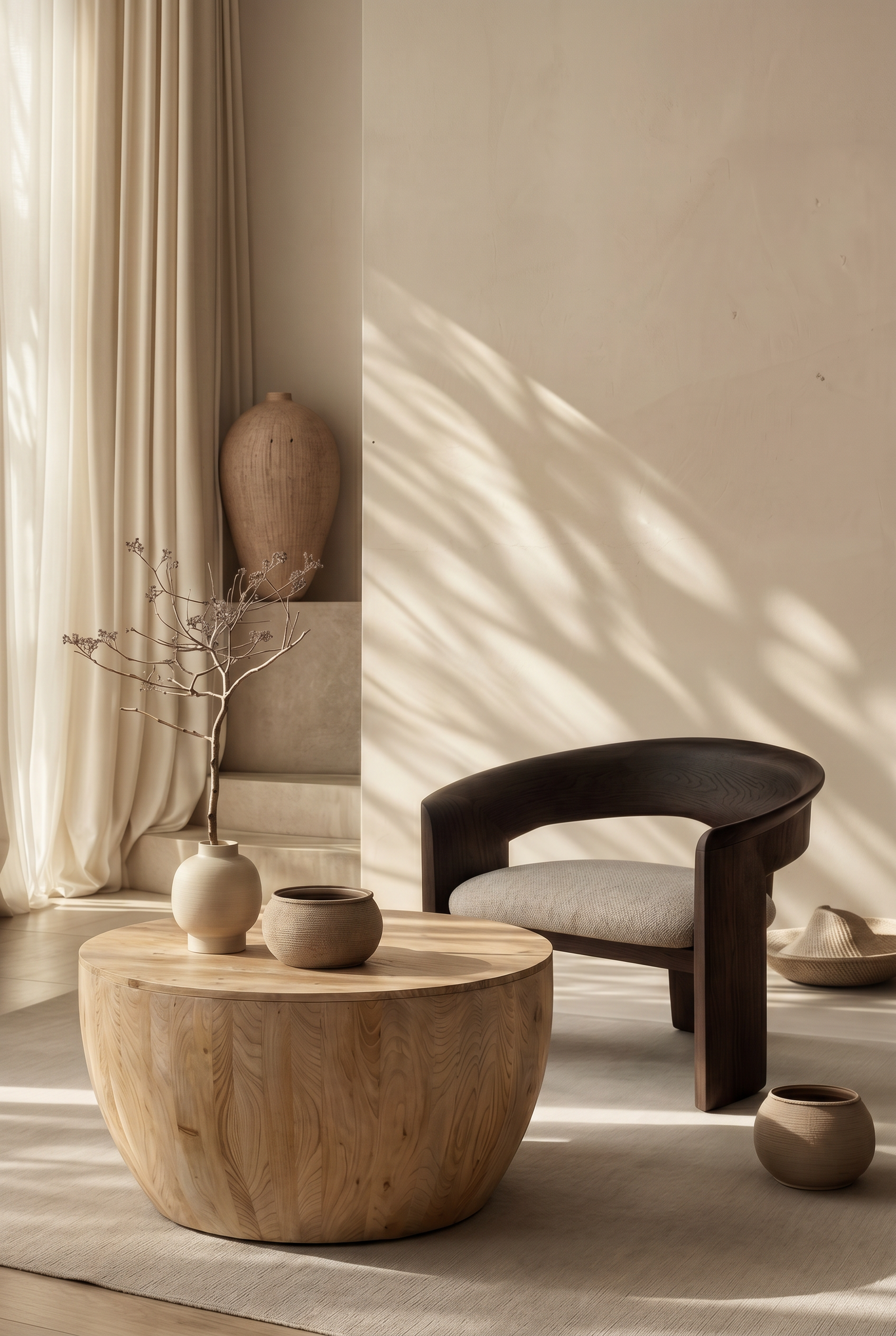
Introduction
Open by reframing maintenance as part of the value proposition, not a chore. Furniture bought with a 20-year horizon needs roughly twenty minutes of care per year to actually reach that horizon and most of that care is satisfying rather than tedious (oiling oak, for instance, is closer to a ritual than a task). This guide covers the three materials in a typical HouseNord home solid oak, bouclé, and linen with the specific, minimal care each one needs. It also explains what HouseNord's 15-year structural warranty covers and how proper care keeps it valid.
Solid oak the annual oiling that changes everything
Hand-oiled oak (as opposed to lacquered) needs re-oiling roughly once a year for tables in regular use, less often for lower-traffic pieces. The process: clean the surface with a slightly damp cloth, let it dry completely (a few hours), then apply a thin layer of food-safe furniture oil (tung oil or a danish oil blend) with a soft cloth, working with the grain. Let it absorb for 10–15 minutes, then wipe away any excess the surface should feel dry to the touch, not oily. This takes about twenty minutes for a dining table. What it does: restores the slight sheen, deepens the grain's visual depth, and most importantly, keeps the wood's moisture barrier intact, which prevents the cracking and greying that happens when oak dries out. Daily care: wipe spills immediately with a dry or barely-damp cloth oak that sits wet for hours can show water marks (these can usually be buffed out with a light re-oiling of that spot). Avoid: placing hot dishes directly on the surface (use trivets heat can cause the oil finish to discolour locally), and harsh cleaning chemicals, which strip the oil and dry the wood. Link to the dining table product page.
Bouclé upholstery gentle, regular, and the one thing to avoid
Bouclé's looped texture is what makes it feel the way it does — and also what requires slightly different care than flat fabrics. Weekly: light vacuuming with an upholstery attachment on low suction, moving in the direction of the loops rather than against them, prevents dust buildup that can flatten the texture over time. Spills: blot immediately, don't rub rubbing can pull at the loops and cause pilling. For most spills, a clean cloth and cold water is sufficient; for oil-based spills, a small amount of mild dish soap diluted in water, applied with a cloth, then blotted dry. What to avoid entirely: steam cleaners and high-heat methods, which can cause the loops to shrink unevenly and create a permanently textured patch. Sun exposure: rotate cushions periodically if the chair sits in direct sunlight, as bouclé can fade unevenly over years. The good news: bouclé's texture actually hides minor wear better than smooth fabrics — small irregularities blend into the existing texture rather than standing out
Linen why washing makes it better, and how to do it right
Linen bedding and linen upholstery covers (where removable) actually improve with washing — the fibres soften and the texture becomes more pronounced over time, which is the opposite of how most fabrics age. Washing: cold water, gentle cycle, mild detergent without bleach or optical brighteners (these can yellow linen over time). Drying: line dry when possible tumble drying on low is fine occasionally but accelerates wear slightly. Ironing: linen looks good slightly wrinkled if ironing, do it while the fabric is still damp, on a medium-high setting. Frequency: linen bedding can be washed weekly without issue; this is part of why it's a better long-term investment than fabrics that degrade with frequent washing. For non-removable linen upholstery, professional cleaning every 12–18 months maintains the fabric without the wear of home washing on a larger piece. Link to the linen vs cotton bedding blog post for the full material comparison.
The HouseNord warranty what's covered and how care keeps it valid
Explain HouseNord's 15-year structural warranty in plain terms: it covers the frame, joinery, and structural integrity of wood furniture, and the frame and spring construction of upholstered pieces, against manufacturing defects and structural failure under normal use. It does not cover fabric wear, fading from sun exposure, or damage from misuse (placing hot items directly on unprotected oak, for example). The relationship between care and warranty: following the basic care steps in this guide — annual oiling, gentle fabric cleaning, avoiding direct heat on wood surfaces is exactly what "normal use" means in warranty terms. Furniture that's been cared for as described here is furniture that will never have a warranty dispute, because it simply won't develop the kind of issues the warranty exists to cover. The warranty is not a replacement for care — it's what care makes possible: twenty years of use with the structural guarantee intact throughout.
Shop HouseNord built to be cared for, not replaced
Every HouseNord piece oak tables, bouclé and linen upholstery — is designed around the principle that furniture should improve with use and care, not decline. 15-year structural warranty on all furniture. Free white glove delivery across Canada. Internal links: "How to Choose a Sofa" buyer's guide, "Linen vs Cotton Bedding," and the home decor collection.